$5
Discord / Beta Supporter
- Supporter role in the official Discord
- Beta access to every monthly update
- Behind-the-scenes design posts
- Early community votes on spell concepts & art
Coming to Kickstarter
No luck of the draw — your wizard knows their book.
A strategy spellbook duel where every spell you’ve prepared is always ready. No shuffling, no mulligans, no mana flood. The only luck in ArcoMage is your opponent’s.
View Reward Tiers Read the Pitch
Campaign launches soon · backers get beta access ~3 months before public launch.
The card system is data-driven from day one. Every spell is a layered SVG: the illustration is the only image; titles, costs, rules and flavor are text data. New spells get added by writing one JSON file and generating one illustration. Tens of spells at launch, hundreds within months, thousands as the campaign hits stretch goals.
An AlphaZero-style self-play network is the in-game opponent for solo play and the balance engine. It plays thousands of games against itself nightly, learns which spells dominate and which get ignored, and reports back. Solo play won’t feel like a puppet show; it learns the way you play.
Most card games balance with patches by feel. We balance with measured win-rates from thousands of self-play matches. Over-picked spells get nudged down; never-played spells get nudged up. One-click JSON edit, instant card re-render, measurable shift in the next 100 games. Data-driven, not vibes.
When a real opponent isn’t online, you duel a GPT-powered opponent who plays in character — trash-talks, taunts, breaks character only to congratulate a clever combo. The server-side bridge is already live at arcomage.org for the early browser PoC.
Three hundred and eighty particle effects ported to the browser through Proton give spells real presence on the board. Spells can say their name through ElevenLabs TTS — “Fireball!” — adding character without the anime-card-game absurdity.
Backers at the Guild Founder tier get a guild Discord, a roster page on the site, and a Guild Stone visible in-game. Team play for 4–8 players is a stretch goal we’re excited about — but we’d rather ship the core right than promise six modes day one.
Every spell’s art comes from our reference-anchored generation pipeline; every number on the card is editable JSON. A balance change ships as a one-character edit and re-renders instantly. Here’s a sample of the first six finished cards:
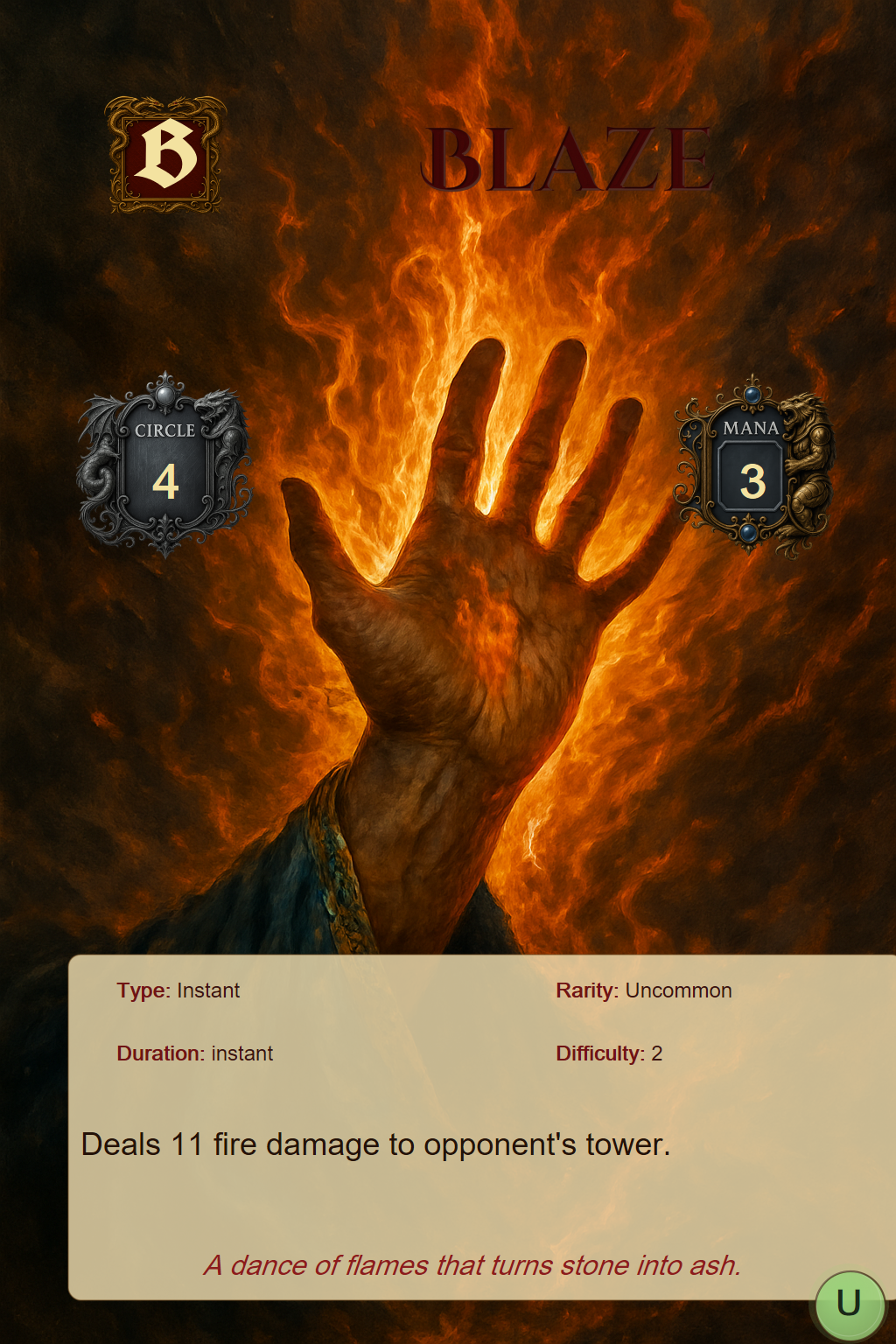


The remaining 74 cards in the launch deck are in active production. Backers get every card in the launch deck plus every expansion released for the first year.
Pledges are additive — a $50 Archmage backer gets everything in the $5, $10, and $20 tiers as well. Each tier’s perks layer on top of the ones below.
Nine ghost-themed spells: 2 Epic, 3 Legendary, 3 Rare, plus a bonus Common (Ring of Salt). Here’s the first preview of the painted card art — four of the nine, freshly off the pipeline:
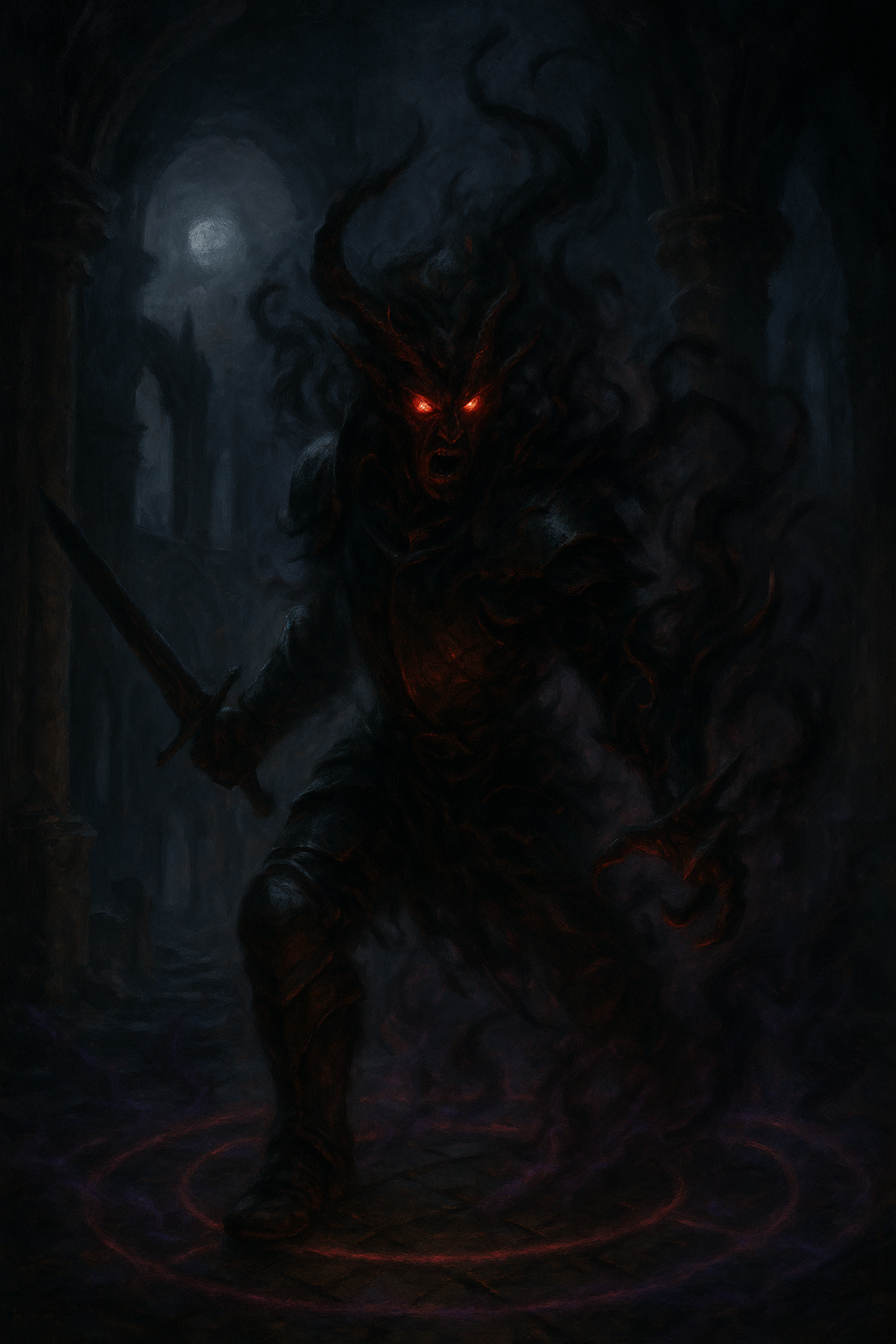
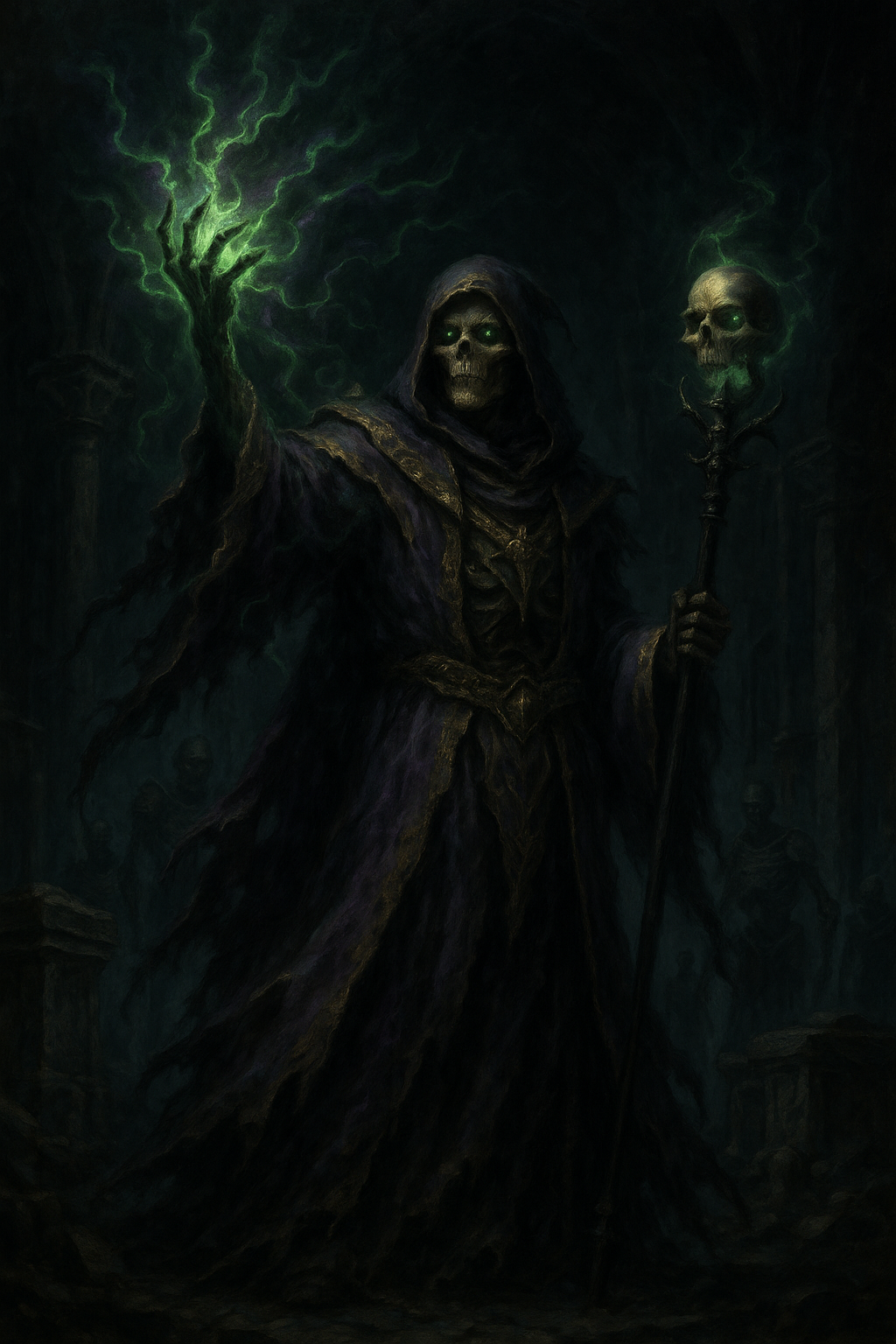
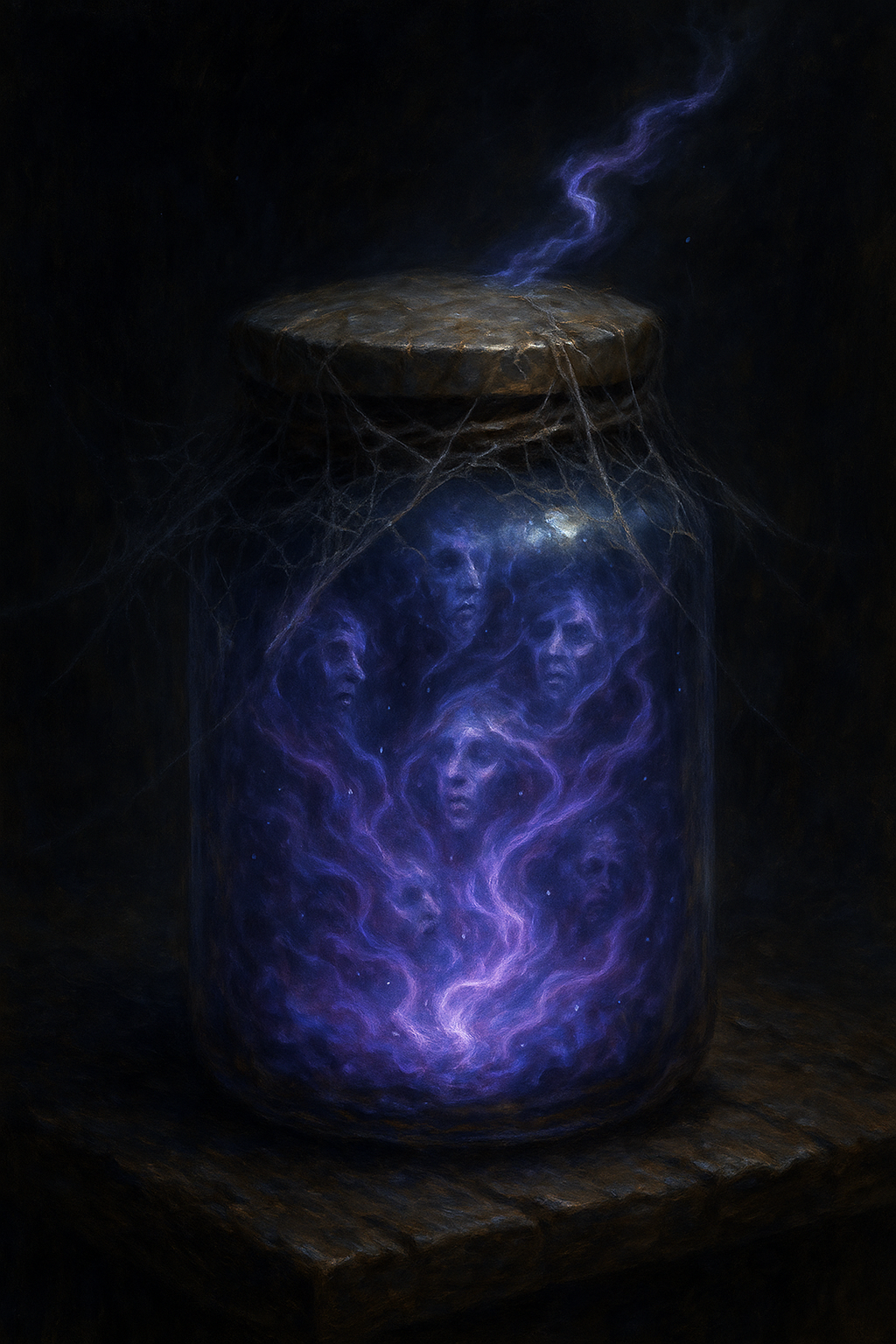
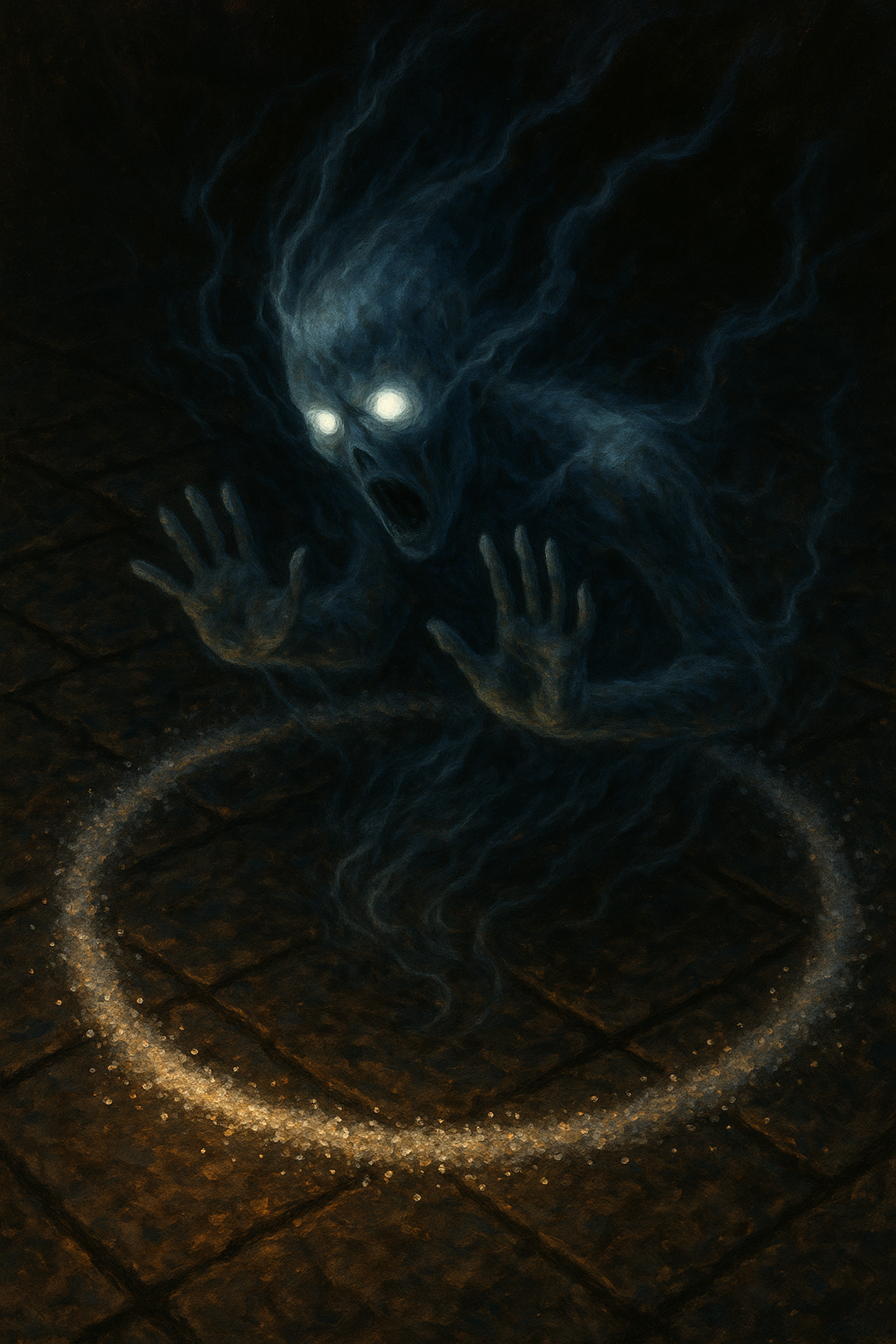
Five more cards in the pack arriving before launch — Graves of the Innocent, Haunted Locket, Cemetery Moth, Haunted Portrait of a Library, and Haunted Hourglass.
The core tier most backers want. Includes the full game and the founder cosmetics that mark you as an early believer.
Source-code scope: the desktop client source code only. Does NOT include: the browser version, the mobile app, server / backend code, the marketplace, company assets, the full spell library, or any rights to the business. The desktop client is yours to read and learn from; everything else stays proprietary.
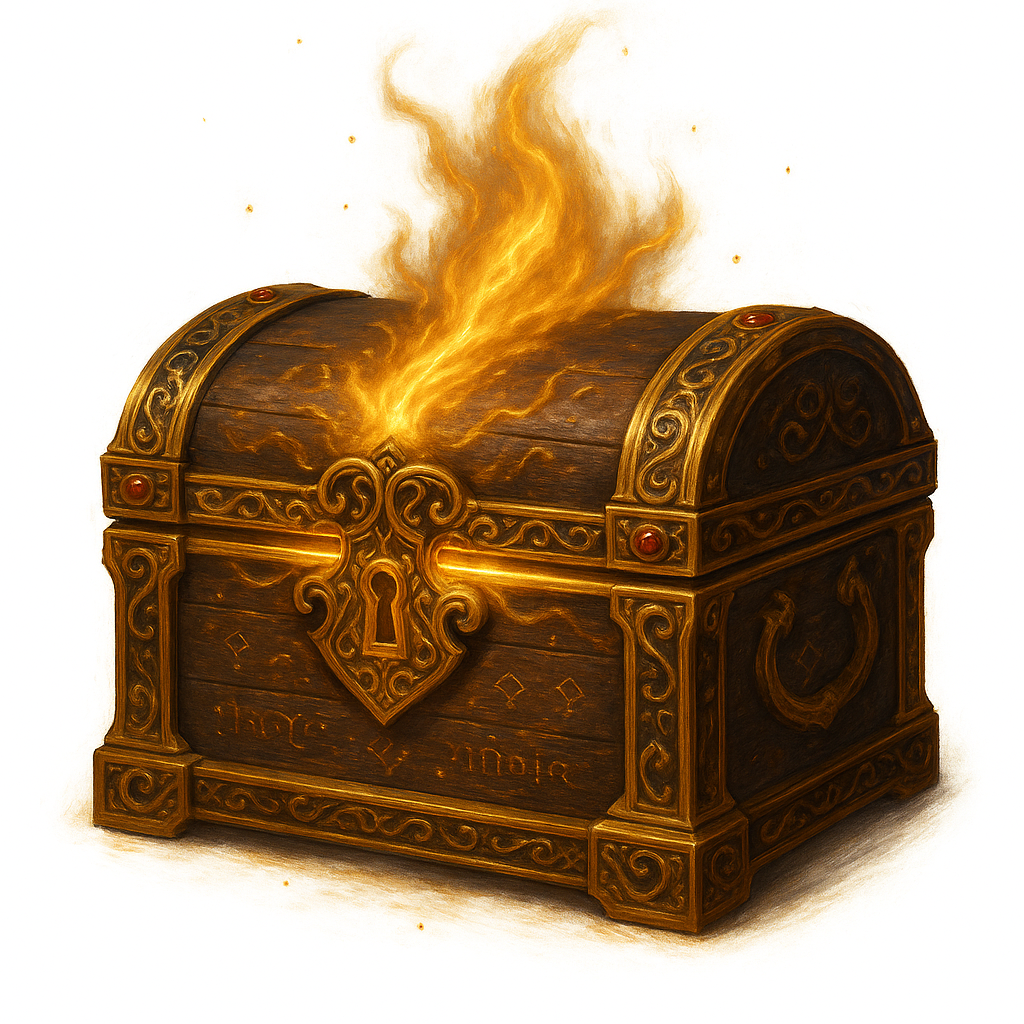
The reliable path to a Guild Stone. Stones are rare on purpose — we keep the supply low so guilds stay big and Discord servers stay social, not 100,000 empty servers talking to themselves. If you want a guild without grinding for one, this tier is the shortcut.
Real stretch goals only — things that add genuine value, not numbers for marketing optics. We’d rather ship the core right than promise six modes on day one.
ArcoMage is the work of one developer + a careful set of AI tools. It exists because every digital card game I’ve loved eventually broke my heart in the same place: the shuffle. You sit down, draw seven, and half the time you can’t play your game.
So I removed the shuffle. Your wizard knows their book. Every spell you’ve prepared is always within reach — one click if you’ve pinned it, one keypress for the Circle that holds it, five clicks worst case if you’re still learning the book. The skill becomes which spells you practice and the order you cast them in.
The architectural decisions on this project — data-driven cards, OOP-as-API, NN-tuned balance, no pay-to-win — are all things I’d never want to compromise on. That’s why I’m funding this through Kickstarter instead of taking publisher money. You back this campaign, you get a card game built the way I’d want to play one.
Most Kickstarters say “here’s a dream, fund it.” This one’s a little different. The browser game already runs. The spellbook UI already flips pages. The card pipeline already ships cards. The 380 particle effects are already ported. The GPT opponent is already live at arcomage.org. The neural-network self-play loop is scaffolded. What your pledge actually funds is the next layer:
You’re not funding an idea. You’re funding the next chapter of a game that’s already real.
Kickstarter asks every campaign to be upfront about what could go wrong. Here’s the real list.
Digital first. The base experience is the desktop + browser game (vs the AI, vs GPT, and eventually vs other humans). Printable tabletop decks are a stretch goal.
No. You buy ArcoMage once. The launch deck is what you get; balance patches are free forever. Expansions (new schools, new Circles) are paid DLC at fair prices — never random packs, never pay-to-win.
The Kickstarter funds the final 3–6 months of polish, server capacity, and (if the print-deck stretch goal hits) physical fulfillment. Digital backers get beta access ~3 months before public launch.
An AlphaZero-style network — one policy head, one value head — trained by self-play. Two snapshots play each other; the winner’s weights are promoted; the loser becomes “black” for the next batch. After every batch, a balance dashboard shows which spells got picked most and which got ignored, so we can nerf and buff with evidence instead of guesswork. The headless sim runs thousands of games per hour on commodity hardware.
No. AI tooling helped us build the system — generating card illustrations at consistent quality, drafting the spell-design prompts, training the balance NN. But the design (the spellbook UX, the anti-pay-to-win ladder, the hex-footprint rules, the cost curve, the spells themselves) is human-designed, art-directed work. AI is the brush; the painting is mine.
Windows / Mac / Linux at launch (desktop client + a browser version of the same game). Mobile (iOS + Android) is a stretch goal — the desktop already wraps a web client, so a mobile WebView wrapper is a small effort with real reach. Console is post-launch.
Then no charges are made — that’s how Kickstarter works. We’d regroup, take what we’ve already built (the cards, the spellbook UX, the GPT opponent, the browser PoC) and look for another path to ship.
If a strategy card game without the shuffle sounds like the game you’ve been waiting for, pledge a tier above. Every backer is a Founder — portrait, badge, and all.
Share the campaign: Twitter · Facebook · Reddit · Join the Discord